Makes 5 to 6 cups
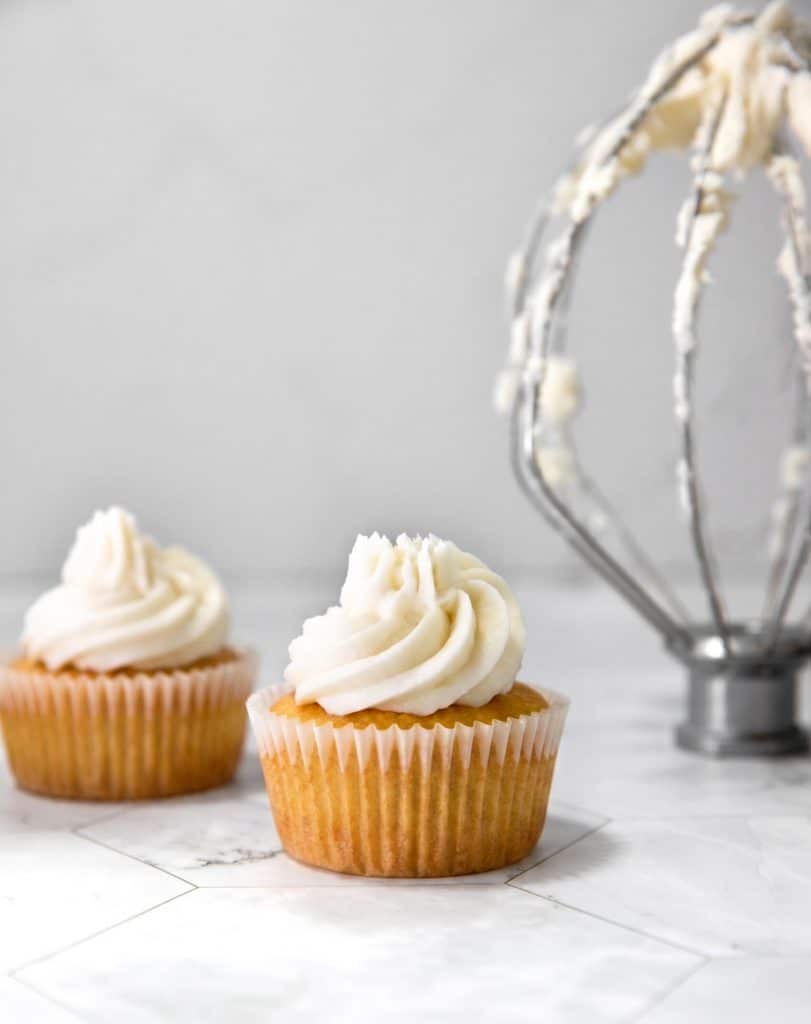
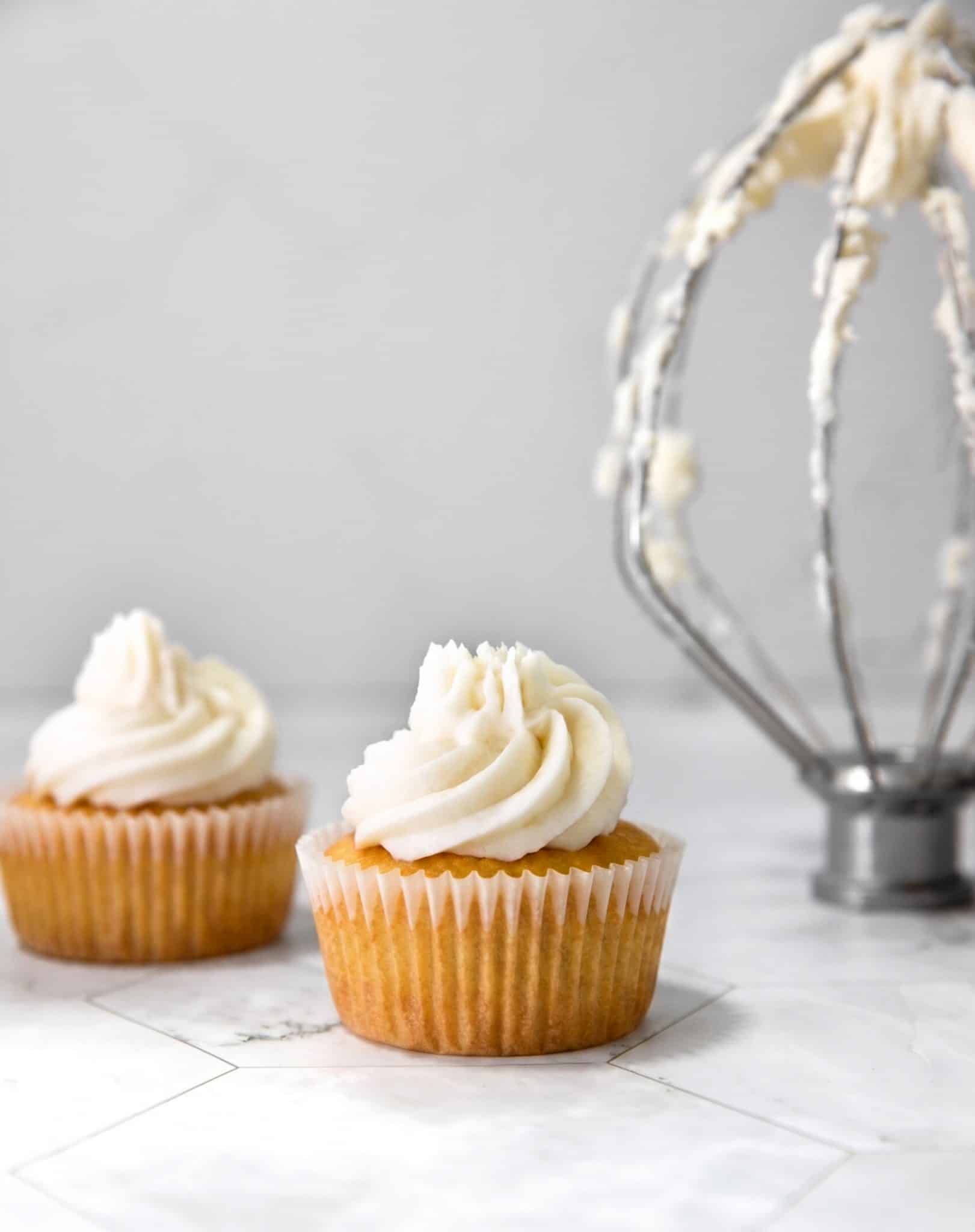
This fluffy vegan buttercream is the best I have ever made. It’s got clean vanilla flavor, it pipes like a dream, and it’s perfectly swoopy. And I have made a lot of buttercream.
Just testing recipes for Vegan Cupcakes Take Over the World, we whipped up enough to fill several claw-foot bathtubs. Through book tours, weddings, bake sales, and my own restaurant, this is the recipe I wish I’d had the whole time.
The magic is a careful blend of oils, whipped aquafaba for structure, and a quick chill in the fridge that takes it from soft to pipeable. The result is fluffy and stable, with that real buttercream texture you usually only get from actual butter. It makes 5 to 6 cups, enough for a tall layer cake with plenty left for piping.
Vegan Butters Come and Go
…but coconut oil and chickpeas are forever. This is the buttercream recipe for the moment. Vegan butter is great when you can get it, but the supply has always been a little unpredictable. Brands appear and disappear, your favorite gets discontinued or reformulated, and the prices keep climbing. The good ones are pushing $9 a block now, which adds up fast when a layer cake needs a pound of it. This recipe skips all of that. Pantry staples, a fraction of the cost.
Why This Recipe Rocks
- Fluffy, stable, pipeable buttercream with real vanilla flavor
- Whipped aquafaba gives it the texture you usually only get from actual butter
- Makes 5 to 6 cups, enough for a full layer cake with piping to spare
- Costs a fraction of what a vegan butter buttercream does
- Works no matter what’s on the shelf at your grocery store
- Uses pantry-friendly ingredients you might already have
What’s in Vegan Buttercream Without Vegan Butter?
Aquafaba is the liquid from a can of chickpeas. Drain a can, save the beans for hummus or a salad, and you have what you need. It whips up like egg whites and gives the buttercream its fluffy texture. No, it does not taste like chickpeas.
Cream of tartar stabilizes the whipped aquafaba so it holds its peaks and doesn’t deflate when you fold it in. A tiny amount does the job.
Refined coconut oil is the base of the frosting and replaces the butter completely. Refined is important here. Unrefined will make the whole thing taste like a macaroon, which is delicious in a macaroon but not what you want on a birthday cake.
Oil (avocado or olive oil) keeps the frosting from getting too firm or waxy once it sets. Coconut oil on its own can turn solid in a cool kitchen, and the little splash of liquid oil keeps things smooth and spreadable. Any neutral oil works here. Canola, safflower, or sunflower are all fine. If you go with olive, use a cheap supermarket one. What Ina Garten would call “good olive oil” is too peppery and grassy for frosting.
Powdered sugar sweetens the frosting and helps it hold structure. Go with the fluffy white supermarket kind. The health food store kind is a weird beige color and tends to be starchy and chalky. It does not fluffy frosting make.
Vanilla extract is the flavor anchor. Use pure vanilla extract, and if you are saving a fancy bottle for a special occasion, this is it.
Salt balances the sweetness so it tastes like buttercream and not just sweetened oil.
Tips for Vegan Buttercream Without Vegan Butter
How to get the perfect coconut oil texture You’re looking for coconut oil softened like room temperature butter: opaque, thick, and creamy, not shiny or melted. If it gets too soft, the frosting can turn greasy instead of fluffy.
Coconut oil changes with the seasons. In winter, it can get completely solid and almost crumbly. If that happens, set the jar in a bowl of warm water for a few minutes until it softens. In summer, it may already be melted or nearly liquid. Refrigerate it and stir every 20 to 30 minutes until it’s opaque, thick, and scoopable again. Most of the year, room temperature is just right.
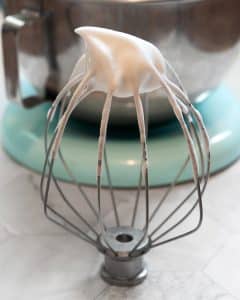
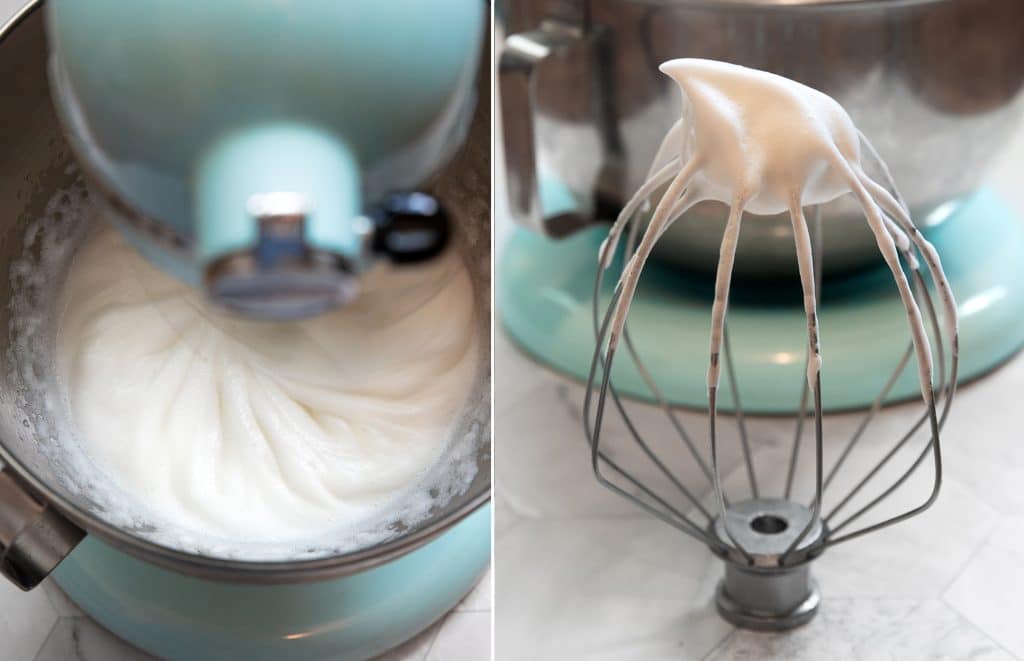
Aquafaba needs real volume Whip the aquafaba until it holds medium peaks before adding it to the frosting. If it’s underwhipped, the buttercream won’t get as light and airy.
If the kitchen is hot, you might have trouble getting it to peak. This is a universal baking rule, not just a vegan one. Pop the aquafaba in the fridge, bowl and all, for 10 to 20 minutes and try again.
Hot kitchens happen This frosting behaves best in a reasonably cool kitchen. If your apartment is sweltering or the oven has been running all day, the coconut oil can soften too much and make the frosting loose or glossy.
Hand mixer vs. stand mixer Either electric mixer works. A stand mixer with the whisk attachment whips the aquafaba beautifully and is the way to go if you’re doing other things in the kitchen. A hand mixer is great, too, and lets you stay in one bowl for the second half of the recipe. If you’re using a stand mixer, just whip the aquafaba first, transfer it to another bowl, and wipe the mixer bowl clean before doing the oils and sugar.
It pipes best slightly cool Right after mixing, the frosting may feel a little soft. After the chill and rewhip, it becomes fluffier and easier to pipe onto cakes and cupcakes.
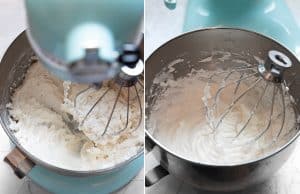
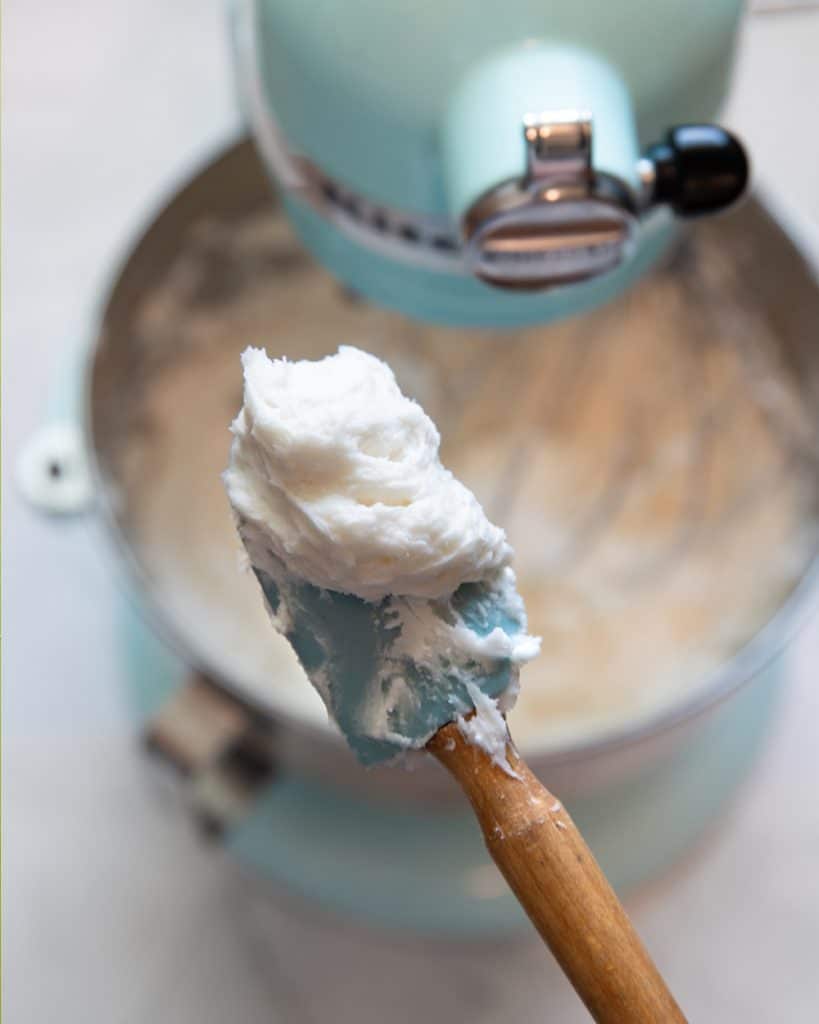
This is what it looks like when you add the sugar, and then after it’s been whipped for awhile:
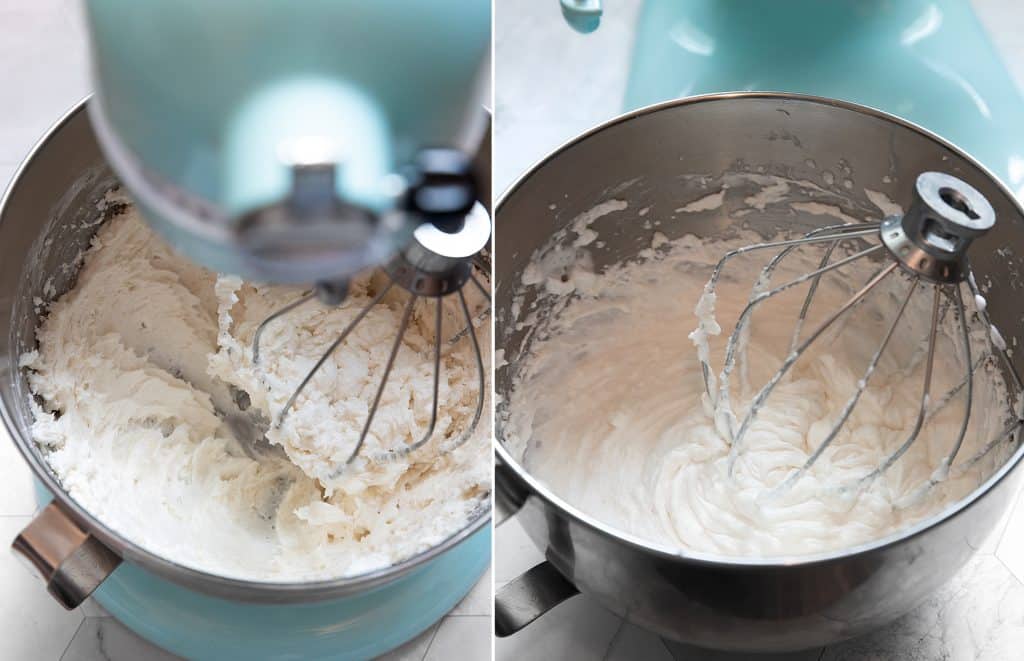
Photos by Hannah Kaminsky
The Best Vegan Frosting Without Vegan Butter
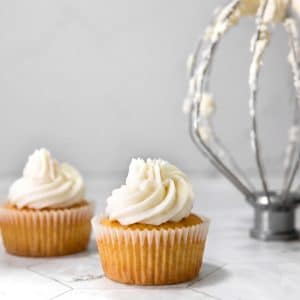
Whether you call it buttercream or frosting, this is the one. It pipes, it spreads, it holds up. Use it on layer cakes, cupcakes, cookies, oatmeal cream pies, straight from the bowl with a spoon. We don’t judge.
Recipes to Use Vegan Buttercream On


Vegan Buttercream FAQ
Does it taste like chickpeas? Not even a little. The aquafaba just brings air and structure, no flavor.
Can I make this ahead? Yup. Make it a day or two ahead and keep it in the fridge in an airtight container. Let it come up a little at room temp and rewhip briefly before using.
How do I store leftovers? In an airtight container in the fridge for up to a week. Bring it back to a spreadable temperature and rewhip before using.
Will it hold up at room temperature? It holds well in a normal-temperature room but can soften in a hot kitchen or outdoors in summer. If you’re transporting a cake somewhere warm, keep it cool until serving.
Is this recipe gluten-free? Yup. All the ingredients are naturally gluten-free, just double-check your powdered sugar and vanilla extract labels if you’re cooking for someone with celiac, since cross-contamination can happen.
How did I get here? You were probably searching for “vegan buttercream without butter,” “vegan frosting without vegan butter,” “coconut oil buttercream,” “buttercream without butter,” or “aquafaba frosting.” You’re in the right place and found the best recipe. Your search is over. Good job!
Vegan Buttercream Without Vegan Butter

Ingredients
- 1/3 cup aquafaba liquid from a can of chickpeas
- 1/4 teaspoon cream of tartar
- 1 1/2 cups refined coconut oil softened but not melted (firm and creamy, like soft butter)
- 3 tablespoons avocado or olive oil
- 4 cups powdered sugar the fluffy supermarket kind, not the health food store kind
- 1 1/2 teaspoons pure vanilla extract
- 1/4 teaspoon salt
Instructions
If using a stand mixer with the whisk attachment:
- Whip the aquafaba and cream of tartar in the mixer bowl until it holds medium-stiff peaks, 3 to 5 minutes. Transfer to another bowl and refrigerate until ready to use. Wipe out the mixer bowl and switch to the paddle attachment.
If using a hand mixer:
- Whip the aquafaba and cream of tartar in a large bowl until it holds medium peaks, 3 to 5 minutes. Use a big bowl, it climbs. Refrigerate until ready to use.

- In a separate bowl (or the wiped-out stand mixer bowl), beat the coconut oil and avocado oil (or olive oil) together for about 2 minutes, until smooth and creamy. Add the powdered sugar a half cup at a time on low, scraping down the bowl with a spatula between additions. Beat in the vanilla and salt.

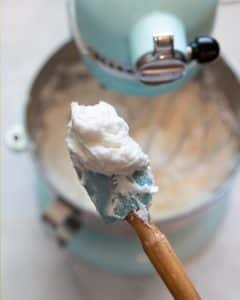
- Add the whipped aquafaba and beat on low until smooth, fluffy, and noticeably lighter in both color and texture. It may feel a little soft or shiny at this stage. That’s normal.
- Chill the bowl for 15 to 20 minutes, then rewhip briefly until it’s stiff and holds a clean peak. That’s the right consistency for piping and spreading. Frost at that firmer stage.